
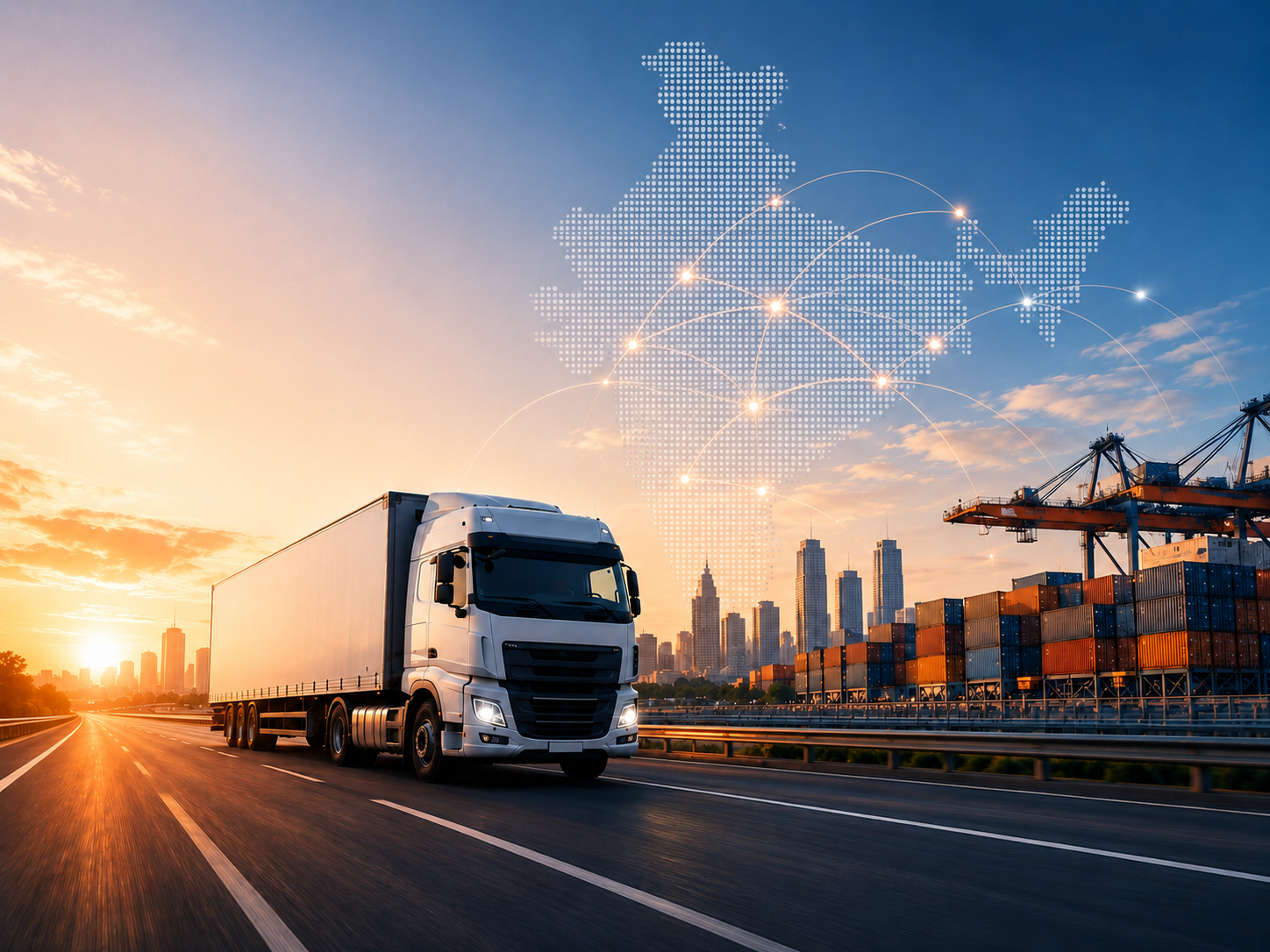
Mumbai–Delhi Corridor: Navigating India's Busiest Freight Route
The NH48 artery handles millions of tonnes annually. Insights on rates, transit times, tolls, and seasonal patterns for this critical lane.
Rajesh Kumar
Industry Analyst
The Mumbai–Delhi corridor is the backbone of India's road freight network. Spanning approximately 1,400 kilometres via NH48, it connects the country's financial capital with its political and commercial centre, carrying everything from electronics to textiles to industrial goods.
Standard transit time for a full truckload is 36–48 hours depending on vehicle type, driver hours, and toll plaza congestion. Express deliveries with team drivers can achieve 30–34 hours but at significantly higher cost.
Rate dynamics fluctuate with fuel prices, monsoon disruptions, festival seasons (Diwali, Holi), and supply-demand imbalances. Backhaul loads from Delhi to Mumbai are typically priced 15–25% lower than headhaul due to cargo imbalance.
Key halt points include Surat, Vadodara, Udaipur, Ajmer, and Jaipur. Smart carriers plan rest stops and fuel fills at locations with reliable dhabas, secure parking, and competitive diesel rates.
Toll costs for a multi-axle truck can exceed ₹8,000 one-way on the expressway route. Factor tolls explicitly in quoting — shippers appreciate transparent all-in pricing that avoids surprise charges.
Digital load boards show strong liquidity on this lane year-round, making it ideal for carriers building consistent revenue. Set alerts for both directions and plan return loads before departing to maximise round-trip earnings.
Related Articles
More insights on Industry Insights and logistics operations.
Industry Insights
Building a Verified Carrier Network You Can Trust
Verification isn't bureaucracy — it's the foundation of a safe, reliable freight marketplace. Here's how KYC protects every stakeholder.